


Layering For Biodiversity: How We Chose Our Summer & Autumn Bulbs
Why We’re Expanding Beyond Spring Bulbs
When most people think about planting for biodiversity, spring tends to get all the attention. Snowdrops, crocus and native bluebells are rightly celebrated as vital early food sources for bees emerging from winter.
But biodiversity doesn’t begin and end in spring.
In gardens across Ireland, one of the biggest gaps for pollinators appears later in the year — from mid-summer into autumn, when many spring bulbs have faded and traditional garden plants begin to slow down. Our decision to expand our bulb range into summer and autumn flowering plants is about addressing that gap thoughtfully and honestly.
This guide explains how carefully chosen summer and autumn flowering bulbs can help support pollinators in Irish gardens by extending flowering beyond spring.
This collection is not about adding colour for colour’s sake. It’s about layering plants across the seasons so that gardens continue to offer food, shelter and structure when wildlife needs it most.
Native First - But Not Native Only
Where native Irish plants are available and appropriate, they will always be our priority. Native species have evolved alongside local wildlife and play an irreplaceable role in healthy ecosystems.
However, there are very few truly native summer- and autumn-flowering bulbs suited to Irish gardens. Rather than leaving a seasonal gap, we’ve taken a careful approach: selecting non‑native bulbs that still offer real, functional value for pollinators and other wildlife.
That means choosing plants based on what they do, not just what they’re called.
Plants Chosen for Purpose
Not all flowers feed wildlife equally. In building this range, we focused on a few clear principles:
-
Open or accessible flowers – allowing bees and other insects to reach pollen and nectar easily
-
Single or lightly structured blooms – avoiding heavily double or decorative forms that offer little food
-
Long or well‑timed flowering periods – especially late summer and early autumn
-
Low‑input, resilient plants – suited to Irish conditions without intensive feeding or care
-
Secondary wildlife benefits – such as seed heads for birds or winter structure
This is why you’ll see single dahlias, collarette forms, pollen‑rich poppies and late‑flowering perennials featured — and why you won’t see showy but sterile varieties.
Layering Bulbs for Biodiversity Through the Year
Rather than relying on one ‘perfect’ plant, biodiversity works best when gardens are layered across time.
Our summer and autumn bulb range has been selected to work together:
Late Spring & Early Summer
Plants like Papaver Orientale provide a burst of high‑value pollen just as bee colonies are expanding rapidly.
Early to Mid‑Summer
Lupins, Asiatic lilies and Crocosmia help bridge the gap between spring bulbs and peak summer flowering, offering accessible pollen and nectar alongside strong garden structure.
Mid‑Summer to Autumn
Single and collarette Dahlias, Rudbeckia, Liatris and Agapanthus come into their own here — providing long‑lasting forage when many gardens begin to fade.
Late Summer & Autumn
Plants such as Nerine bowdenii, Hymenocallis and Rudbeckia extend flowering into autumn, supporting pollinators later in the year and leaving seed heads that benefit birds through winter.
The result is a garden that continues to give — not just in colour, but in ecological function.
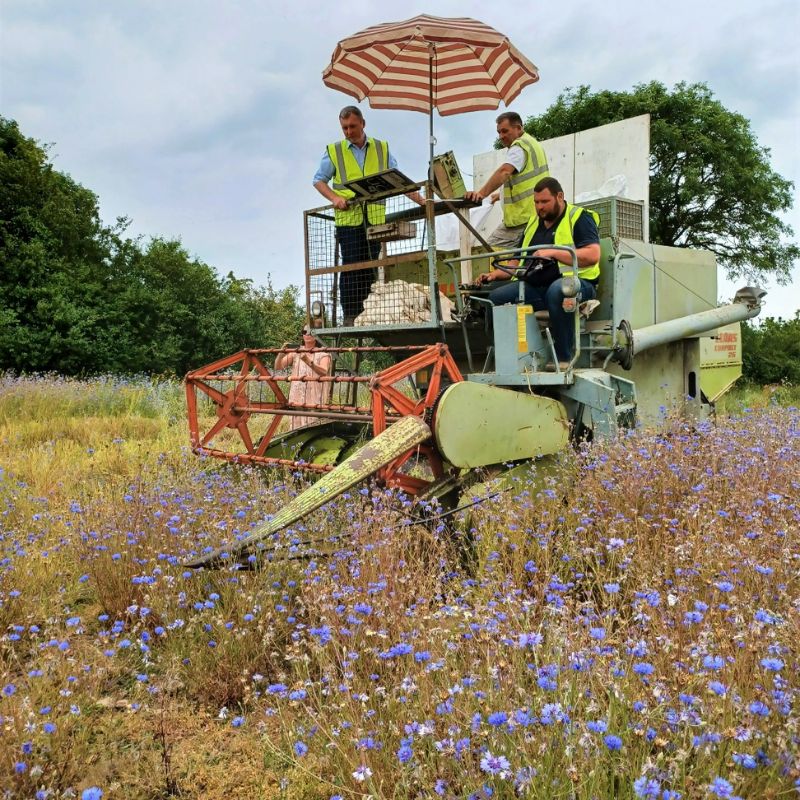
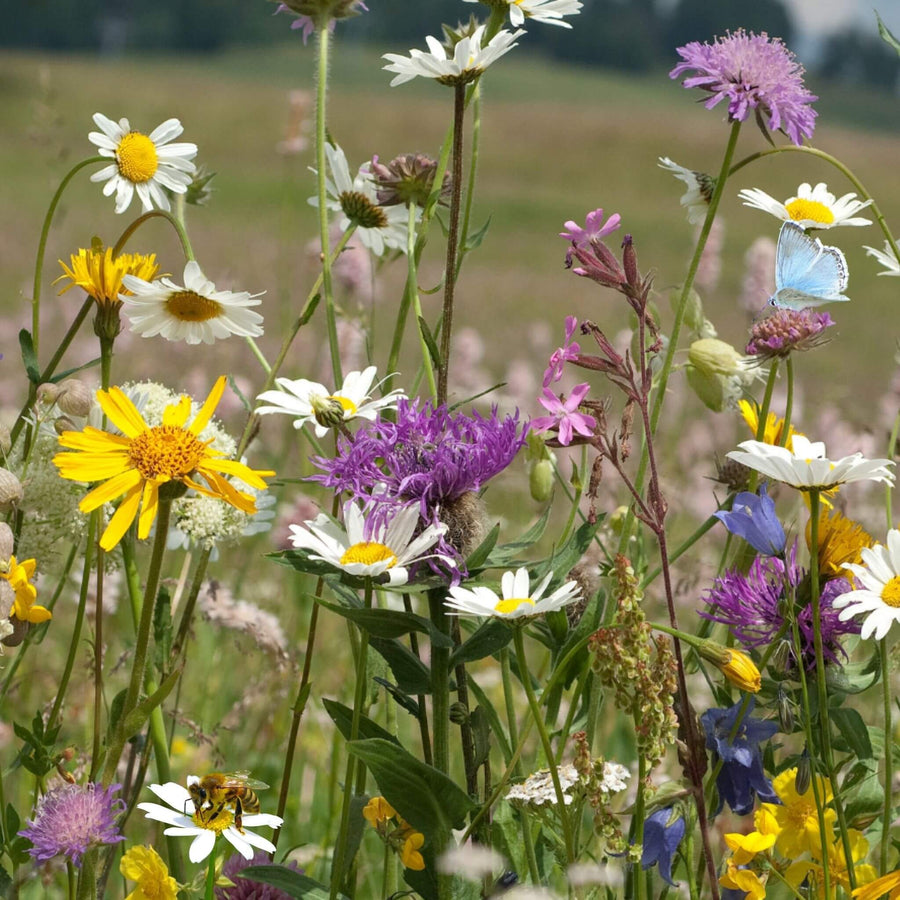
Many of these bulbs also work well alongside wildflower meadows — particularly when planted at meadow edges, along mown paths, or in nearby borders — helping to extend flowering and support pollinators beyond the meadow’s main season.
Being Honest About “Pollinator‑Friendly” (And Why Small Gardens Matter)
You’ll notice we sometimes describe plants as “supporting” biodiversity, rather than presenting everything as a headline pollinator plant.
That’s intentional.
Some plants offer abundant nectar and pollen. Others play a smaller but still useful role - filling seasonal gaps, offering pollen rather than nectar, or supporting different species at different times of day.
By being honest about these distinctions, we can:
-
Help gardeners make better choices
-
Avoid over-claiming
-
Build gardens that work as whole systems, not single statements
You don’t need a meadow — or even a large garden — to make a difference.
A few carefully chosen bulbs in a border, container or small garden can:
-
Extend flowering by months
-
Support pollinators during critical seasonal gaps
-
Add structure, rhythm and resilience to your planting
Layering is about doing a little, consistently, rather than everything at once.