


Spotlight on Our New Small-Batch Wildflower Blends
Three new blends for birds, pollinators and meadow spaces
At Connecting to Nature, we believe wildflower mixes should be chosen with care.
Different spaces need different plants. A mix for birds is not the same as a mix for beneficial insects. A slow perennial meadow is not the same as a quick annual display. The best results come from understanding the site, the wildlife you want to support, and the way the planting will develop over time.
This season, we are introducing three new small-batch wildflower blends:
-
Wildflowers for Irish Birds
-
Insect Forage Wildflower Mix
-
Slow Meadow Wildflower Mix
Each one has been curated in-house for a specific purpose, using seed from our Waterford-grown wildflower harvest.
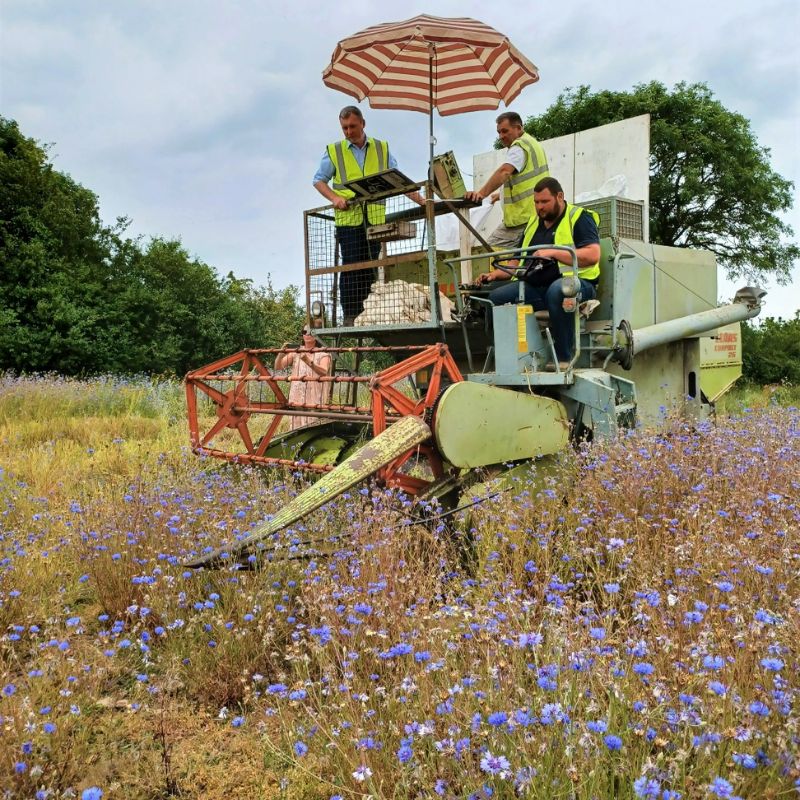
These mixes are part of a wider ambition at Connecting to Nature: to continue building our own Irish wildflower seed production, increase the range and volume of species we can grow ourselves, and create more site-appropriate blends for Irish gardens, community spaces and biodiversity projects.
Alongside these new blends, we will also be launching a wider range of straight species (single-species wildflower seed) over the coming weeks. These straights will allow gardeners, growers and biodiversity projects to create more specialised plantings, add particular species into existing meadows, or grow nostalgic favourites that people remember from older Irish landscapes and gardens. They also give customers more flexibility to experiment with their own combinations and tailor planting to specific habitats, pollinators or aesthetic preferences.
Why small-batch blends?
Wildflower seed production is seasonal, skilled and very dependent on the success of each crop.
Unlike many garden products, wildflower seed is not something that can simply be manufactured on demand. It has to be grown, harvested, dried, cleaned, stored and blended carefully. Some species are relatively straightforward. Others are slower, lower-yielding or more difficult to produce in quantity.

That means small-batch blending gives us a useful way to work with the seed we have grown, while also learning more about how different species perform in production and in the landscape.
For customers, it also means these mixes have a very particular character. They are not generic, one-size-fits-all blends. Each has been created with a clear role in mind.
1. Wildflowers for Irish Birds
Our Wildflowers for Irish Birds mix has been designed to support birds by growing natural food sources within the garden or wider landscape.
The thinking behind this blend is simple: birds do not only need bird food. They also need insects, seeds, seedheads, shelter and varied plant structure.
During spring and summer, wildflowers attract insects, which are an important food source for many birds, especially when feeding young. Later in the season, seedheads and standing stems can provide natural foraging opportunities and winter interest.

This is especially relevant at a time when people are becoming more aware of responsible seasonal bird feeding and the need to reduce disease risk at shared feeders during the warmer months. Planting for birds offers another positive way to help.
Why these species?
This mix includes Corn Marigold, Mayweed and Corn Poppy to provide first-year colour, insect value and seedhead interest.
Ribwort Plantain has been included for its seed value and its role as a strong meadow species. It is not the showiest plant in the mix, but it is a useful functional species in a bird-supporting wildflower area.
Knapweed, Red Campion, Selfheal, Wild Carrot, Yarrow and Field Scabious bring longer-term perennial value. These species help create a richer habitat over time, producing abundant flowers for insects during the growing season and plenty of lasting seedheads and standing stems that can provide natural foraging opportunities for birds into autumn and winter.
The result is not a bird food product in the traditional sense. It is a wildflower mix designed to help create a more bird-friendly habitat.
What to expect
In the first year, annual flowers such as Corn Marigold, Mayweed and Corn Poppy provide the main colour and help attract insects.
From late summer onwards, it is important not to deadhead or tidy the area too quickly. Seedheads and standing stems are part of the value of this mix.
From year two onwards, the perennial species should add more structure, flowers and insect life, helping the area become more naturally supportive for birds.
Best for: sunny garden edges, wildlife strips, school gardens, community spaces, orchard margins and larger beds where seedheads can be left standing.
2. Insect Forage Wildflower Mix
Our Insect Forage Wildflower Mix has been designed to provide food for pollinators and beneficial insects.
This blend is built around a simple idea: if we want more wildlife in our gardens and green spaces, we need to provide food sources across the season.
The mix focuses on forage - flowers that are accessible and useful to insects such as hoverflies, lacewings, solitary bees, ladybirds and other natural garden allies.
Why these species?
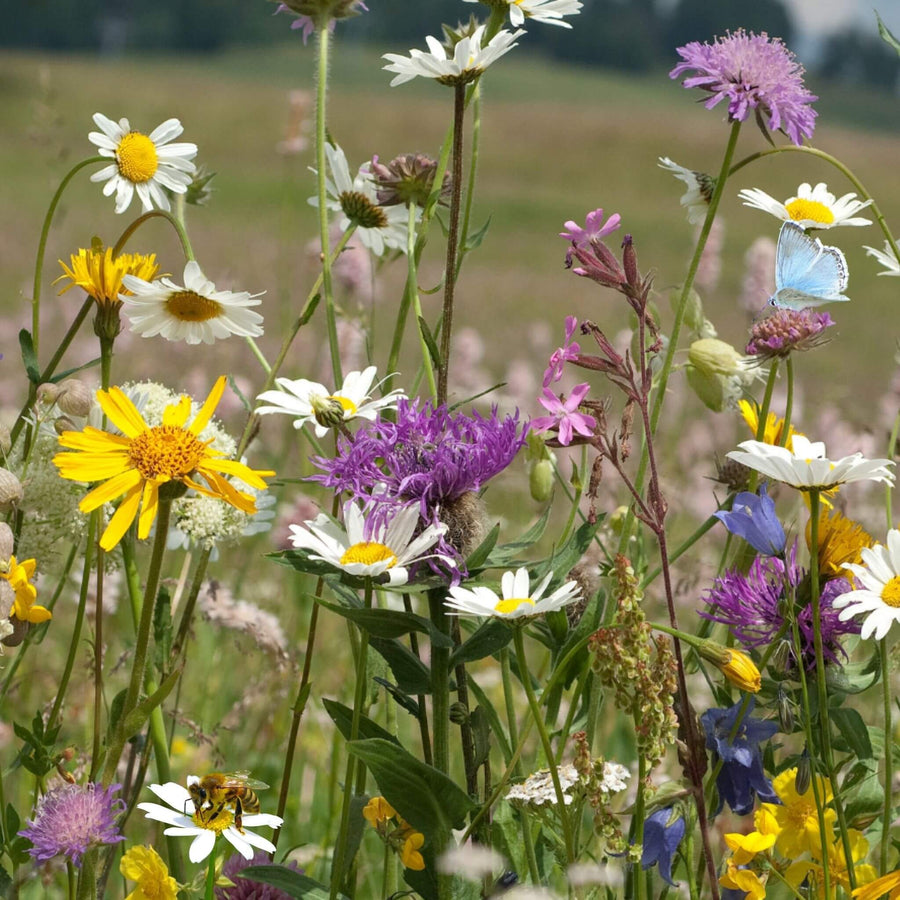
Knapweed is one of the key species in this blend, providing a rich nectar source through mid to late summer when many insects are most active. It is especially valuable for butterflies, bees and a wide range of pollinating insects.
Wild Carrot and Wild Angelica bring a different flower structure to the mix. Their open, umbrella-like flowerheads are particularly useful for many smaller insects, including hoverflies, parasitic wasps and lacewings. These insects are often overlooked, but they play an important role in healthy garden ecosystems.
Yarrow adds another valuable flat-topped flower form. Its clusters of small flowers are easy for small insects to access, creating a useful feeding platform for hoverflies and other beneficial insects. By supporting a wider range of small insects, plants like Yarrow and Wild Carrot can also help create the kind of insect-rich habitat that natural predators such as ladybirds rely on.

Selfheal provides lower-growing forage earlier in the season, helping extend the flowering window and creating feeding opportunities at different levels within the planting.
Oxeye Daisy contributes early summer pollen and nectar, while Corn Marigold provides quick first-year colour and insect activity as the perennial species establish.
Together, the mix is designed to provide a succession of forage from early summer into autumn, supporting not just bees and butterflies, but also hoverflies, ladybirds, lacewings, parasitic wasps and other beneficial insects that rely on varied flower shapes, prey availability and flowering times.
What to expect
This is not an instant-colour meadow mix. Corn Marigold provides the main first-year colour, but the longer-term value comes as the perennial species develop.
From year two onwards, Knapweed, Wild Carrot, Yarrow, Selfheal, Wild Angelica and Oxeye Daisy become more important, creating a richer insect-forage area.
Best for: sunny garden margins, orchard margins, cut flower garden edges, wildlife strips, community gardens and biodiversity areas. This mix is best suited to margins and wildlife strips that can be allowed to grow and flower.
Unsuitable for: vegetable beds, allotments or areas where soil is regularly disturbed.
3. Slow Meadow Wildflower Mix
Slow Meadow is a quieter, more patient blend.
This is a perennial-only wildflower mix chosen for foliage, seedheads, movement and long-season meadow interest. It does not contain annual wildflowers or grass seed.
That makes it different from annual-style mixes focused on short-term display. Slow Meadow is designed for spaces that will be allowed to develop over time, creating a more stable and diverse meadow habitat. Perennial wildflowers take longer to establish, but they help build a richer ecosystem by supporting pollinators, beneficial insects and wider biodiversity through varied plant structure, flowering periods and natural regeneration.
A perennial meadow has a different kind of beauty. It is not only about peak flowering. It is about plant structure, changing foliage, upright stems, seedheads, movement in the wind and the way the space changes through the seasons and over the years. As the meadow develops, different species will thrive, dominate and retreat at different times, gradually finding their own balance within your local ecosystem.

Why these species?
Ribwort Plantain, Selfheal, Sorrel and Yarrow help create the underlying meadow texture. These species bring foliage, seedheads and structure, not just flowers.
Red Campion, Meadow Buttercup, Oxeye Daisy, Rough Hawkbit and St John’s Wort are all familiar wildflower species commonly found thriving across Ireland’s meadows, hedgerows and grasslands. Together they bring a natural, recognisable meadow character with gentle seasonal flowering rather than the bold colour of an annual display.
Knapweed, Field Scabious and Devil’s-bit Scabious bring strong pollinator value and later-season interest.
Wild Carrot and Wild Angelica add height, structure and airy umbel flower forms, followed by distinctive seedheads.
Kidney Vetch has been included in a small amount as a native legume, adding diversity and supporting the ecological balance of the blend.
Together, these species create a mix that is more about long-term meadow character than instant results.
What to expect
Year one is mainly about establishment. Some species may flower, but this mix should not be judged on first-year colour.
From year two onwards, the meadow should become more interesting as the perennial species develop. Expect more texture, upright stems, seedheads, subtle flowers, movement and a more settled meadow feel.
This mix is best managed by allowing the area to grow, flower and set seed, then cutting and removing the growth at the end of the season. Removing cuttings helps prevent fertility building up and gives wildflowers a better chance against grasses and weeds.
Best for: low-fertility meadow-style areas, orchard margins, wildlife strips, community biodiversity areas and reduced-mowing zones.
Not best for: customers wanting quick colour, regularly mown lawns, formal beds, pots or areas that need to look tidy all year.
Choosing the right wildflower mix
Each of these new blends has a different role.
Choose Wildflowers for Irish Birds if you want to support birds naturally with summer insects and autumn/winter seedheads.
Choose Insect Forage Wildflower Mix if you want to increase food sources for pollinators, hoverflies and other beneficial insects.
Choose Slow Meadow Wildflower Mix if you want a slower, perennial-only meadow with texture, movement and long-season interest.
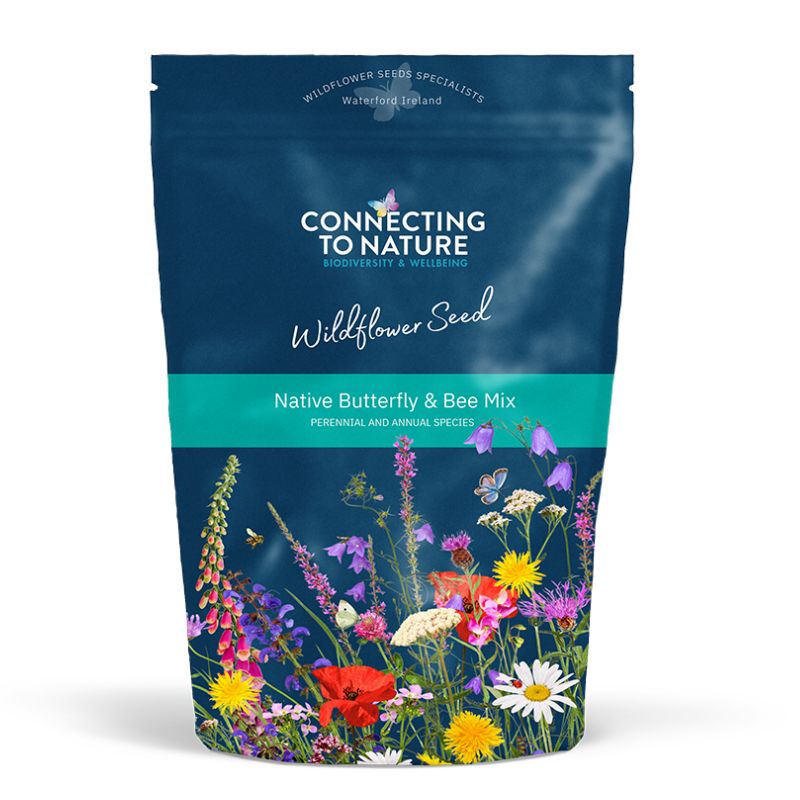
Other mixes in our range continue to play different roles. Cornfield Annuals is ideal for quick annual colour. Butterfly & Bee is a lovely pollinator-friendly garden mix. Traditional Irish remains a strong all-round native wildflower option.
The important thing is not that one mix is better than another. It is that each mix has a purpose, and the right choice depends on your space, your soil, your expectations and the wildlife you want to support.
Growing more of our own seed
These new blends also mark another step in our wider seed production journey.
At Connecting to Nature, we are working to increase the amount of wildflower seed we grow ourselves in Ireland. This is not quick or simple work. It involves choosing the right species, learning how they perform in the field, managing harvest timing, drying and cleaning seed correctly, and building knowledge year by year.

But it matters.
Growing more of our own seed allows us to develop mixes with greater care and traceability. It helps us build practical knowledge of native wildflower production while also increasing the amount of Irish-grown native wildflower seed available to our customers. It also gives us the opportunity to create more thoughtful, site-specific blends based on the seed we have grown and the biodiversity outcomes we want to support.
These three small-batch mixes are part of that work.
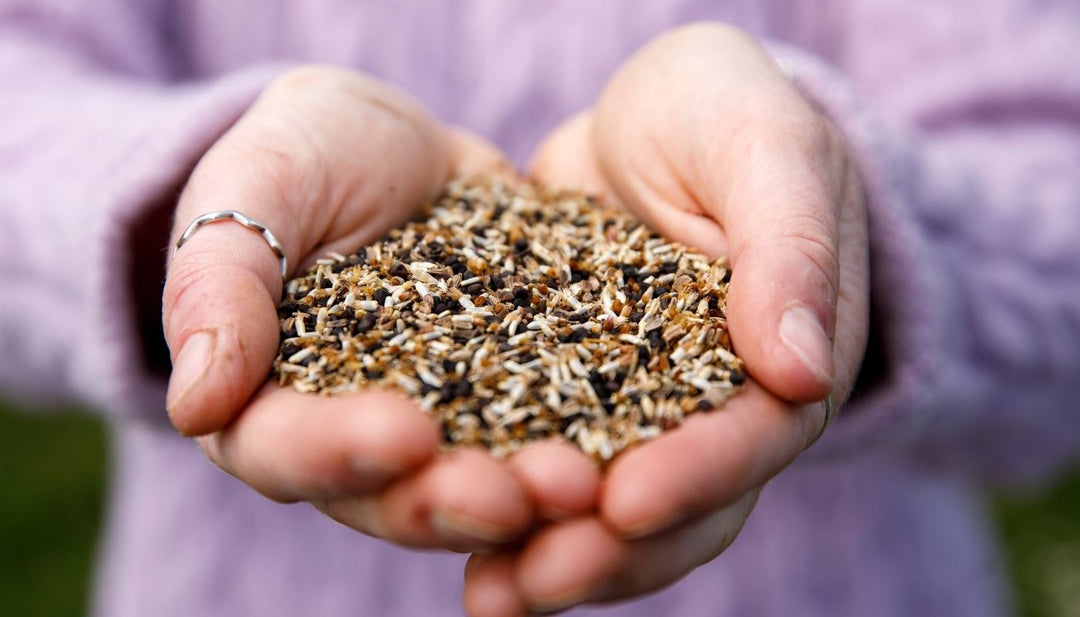
They are limited batches, created from our own Waterford-grown wildflower seed harvest, cleaned and blended by Connecting to Nature.
A final note on expectations
Wildflower seed is full of potential, but it is not magic.
Good results depend on choosing the right mix for the right site, preparing the ground properly, reducing competition from grasses and weeds, and giving the plants time to establish.
Some wildflower mixes give quick colour. Others develop slowly. Some are best for pollinators. Others are chosen for birds, seedheads, structure or long-term meadow value.
By understanding what each mix is designed to do, we can create better results for people and better outcomes for nature.
Explore the new small-batch blends
Wildflowers for Irish Birds
Insect Forage Wildflower Mix
Slow Meadow Wildflower Mix