


Fat Balls | without nets

Fat Balls | without nets
Regular price
€10.95
- In stock, ready to ship
- Delivery Nationwide
- Secure payments
- Contributing to a Sustainable World


A firm favourite with our customers and their feathered visitors, our Premium Wild Bird Fat Balls are a simple, energy-rich supplementary food for garden birds.
Made with a blend of suet, sunflower seeds, grains and peanuts, they provide a concentrated source of energy and are particularly useful during colder weather, when birds need extra fuel to maintain body condition.
We regularly hear from customers about how popular these fat balls are with visiting garden birds, and their soft texture makes them easy for birds to peck at and enjoy.
Supplied without netting, they are easy to use in a suitable fat ball feeder or on a clean bird table.
| Pack Size | Price | Price per Fat Ball |
|---|---|---|
| 25 Fat Balls | €10.95 | 43c |
| 100 Fat Balls | €34.95 | 35c |
| 200 Fat Balls | €64.95 | 32c |
Place fat balls in a suitable feeder or break them into smaller pieces for use on a clean bird table.
Put out only as much food as is likely to be eaten and remove any old or spoiled food regularly.
Suet fat, sunflower seeds, oat flour, wheat flour, oat flakes, peanuts and calcium carbonate.
Bird feeding can provide valuable support when natural food sources are limited. We recommend following current guidance and best practice around when and how to offer supplementary food.
When feeding:
This section doesn’t currently include any content. Add content to this section using the sidebar.
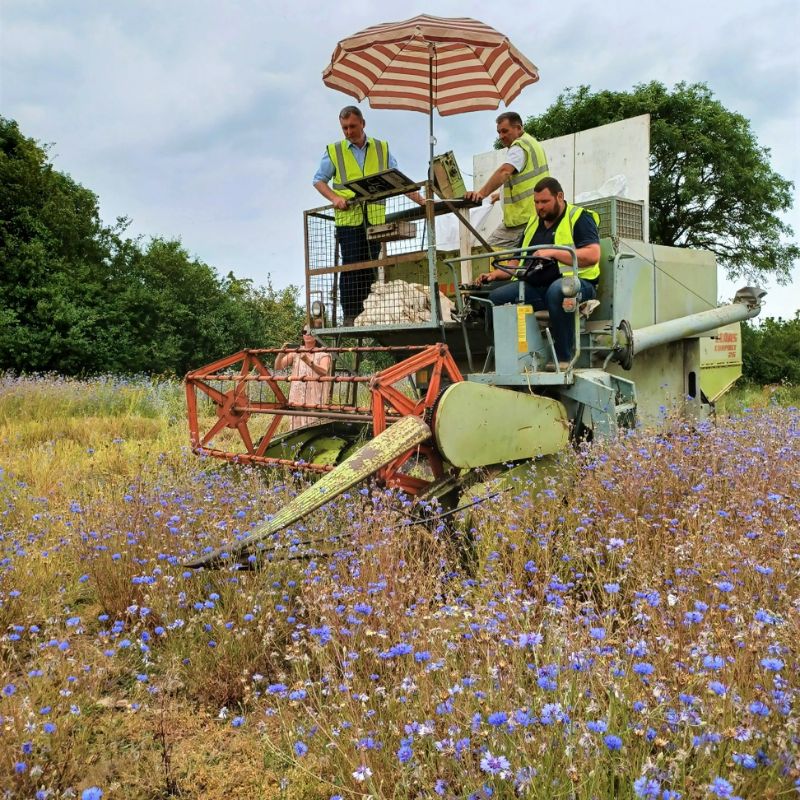
Our wildflower seed crops are grown & produced across two sites, in Co. Waterford and Co. Kilkenny.
All of the wildflower species grown on our site are native to Ireland.

Make your business stand out from the crowd with custom-designed seed gifts.
Wildflowers represent a positve future, one of sustainability and wellbeing.
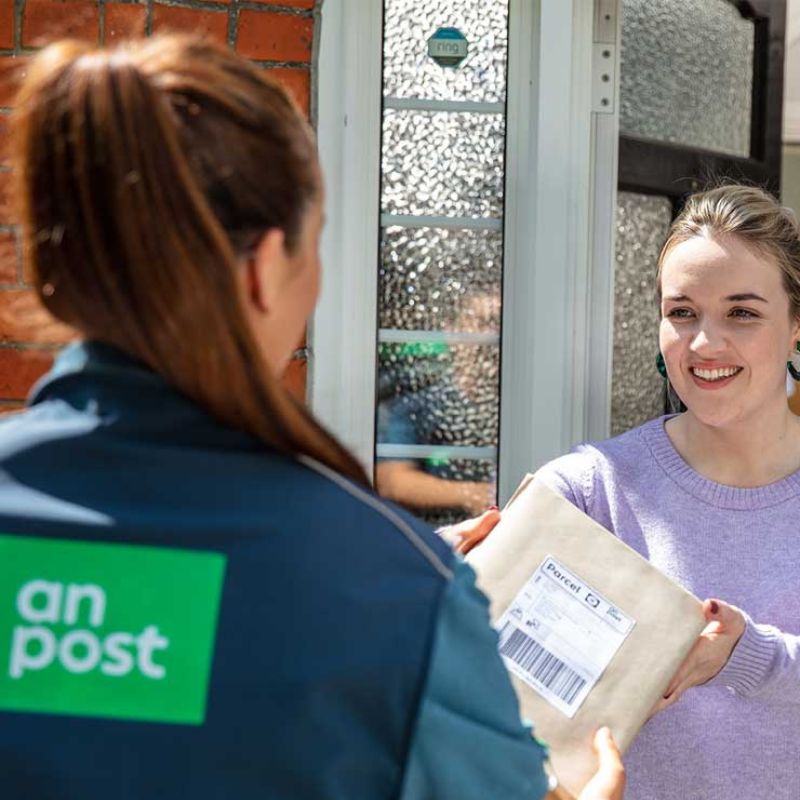
We dispatch all orders within 24 hours of being ordered on weekdays.
An Post deliver within 3-5 days and DPD generally deliver the following day.
If you order a pre-order item, your entire order will be sent out when the pre-ordered item is in stock.
