

Hazel Tree | Irish Native Bare-root Whips
Hazel Tree | Irish Native Bare-root Whips
Regular price
€10.00
- Delivery Nationwide
- Secure payments
- Contributing to a Sustainable World


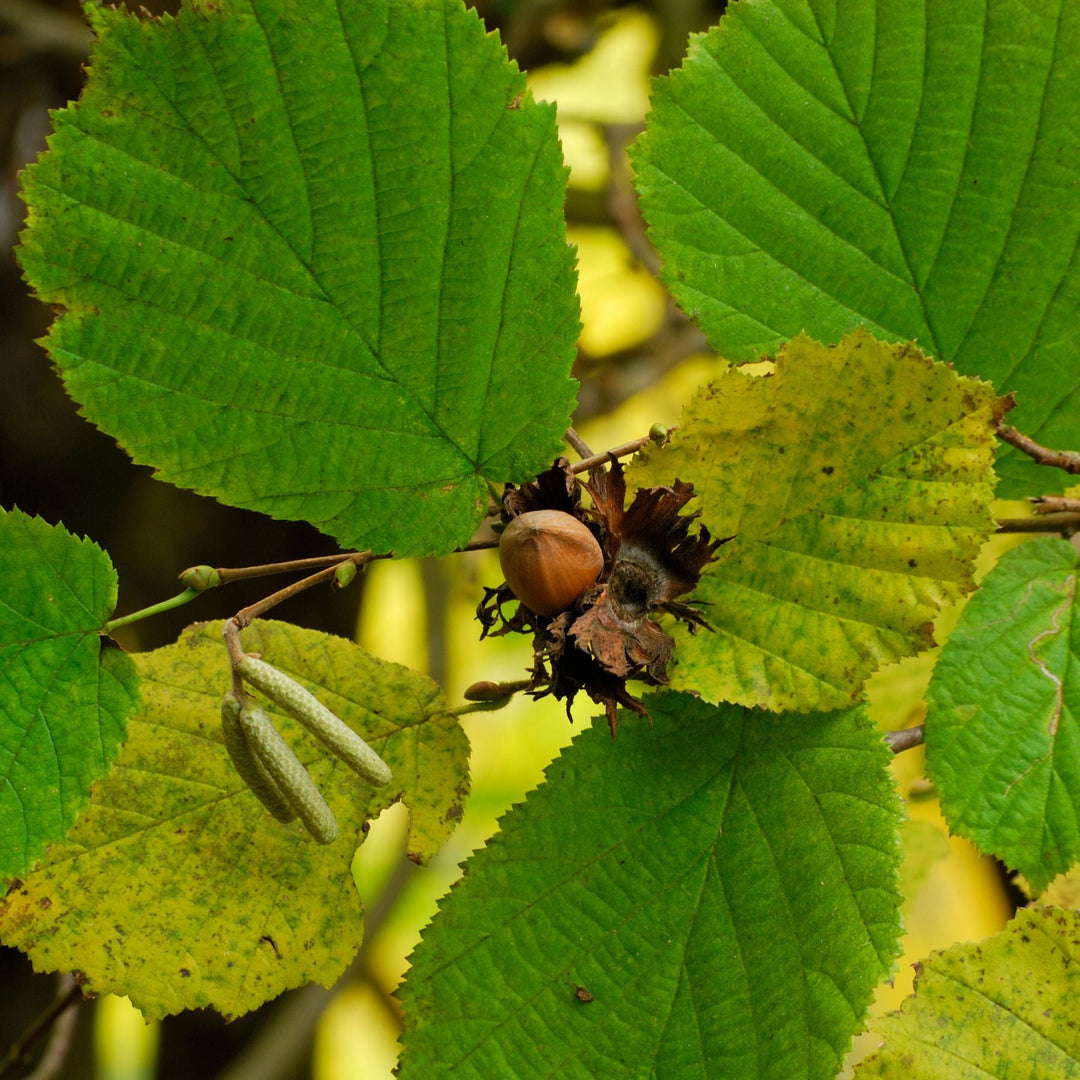
Hazel is a classic native Irish hedging and woodland species, prized for its versatility, wildlife value, and traditional character. One of the earliest signs of spring, its pale yellow catkins appear in late winter, providing an important pollen source for bees at a time when little else is in flower.
Fresh green, rounded leaves follow in spring, creating dense cover that offers shelter and nesting opportunities for birds and small mammals. In autumn, Hazel produces its familiar nuts, which are a valuable natural food source for wildlife and add to the plant’s seasonal interest.
Typically grown as a multi-stemmed shrub or small tree, Hazel is ideal for hedgerows, woodland edges, shelter belts, and native planting schemes. It is well suited to planting as bare-root whips, establishing quickly in Irish conditions. Hazel thrives in a wide range of soils, including heavier ground, and performs best in full sun to partial shade.
Low-maintenance, hardy, and highly beneficial for biodiversity, Hazel is a cornerstone species for wildlife-friendly landscapes and traditional Irish hedgerows.
Exceptional wildlife value – early pollen for bees, dense cover for birds, and autumn nuts for mammals
Native Irish hedging staple – a key species in traditional hedgerows and woodland planting
Ideal for bare-root planting – establishes easily and grows reliably in Irish conditions
Creates natural shelter – excellent for boundaries, windbreaks, and wildlife corridors
Adaptable and hardy – performs well in a wide range of soils, including heavier ground
Low maintenance – responds well to coppicing or can be left to grow naturally
This section doesn’t currently include any content. Add content to this section using the sidebar.
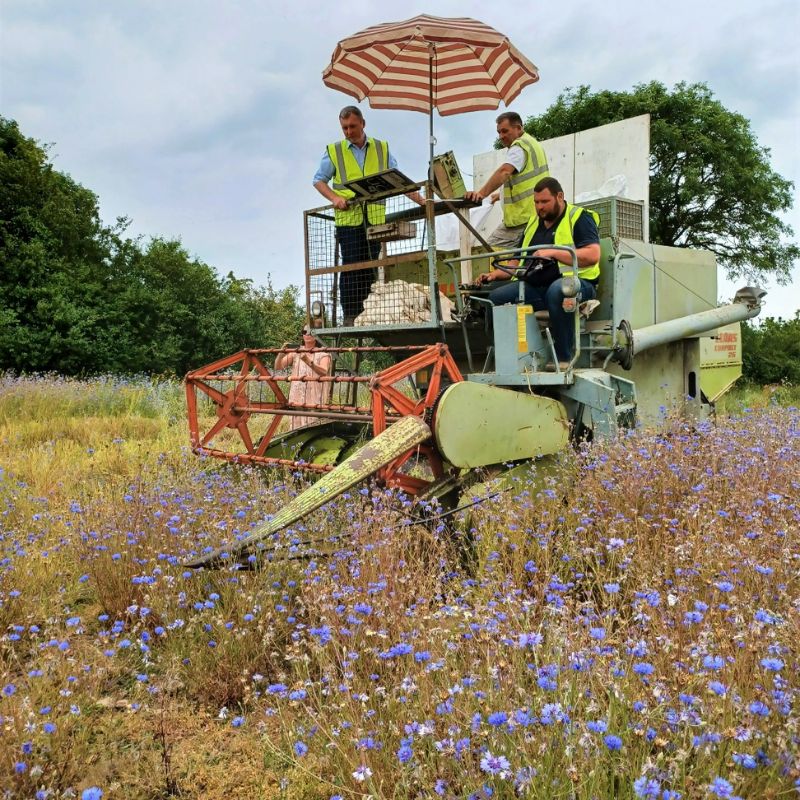
Our wildflower seed crops are grown & produced across two sites, in Co. Waterford and Co. Kilkenny.
All of the wildflower species grown on our site are native to Ireland.
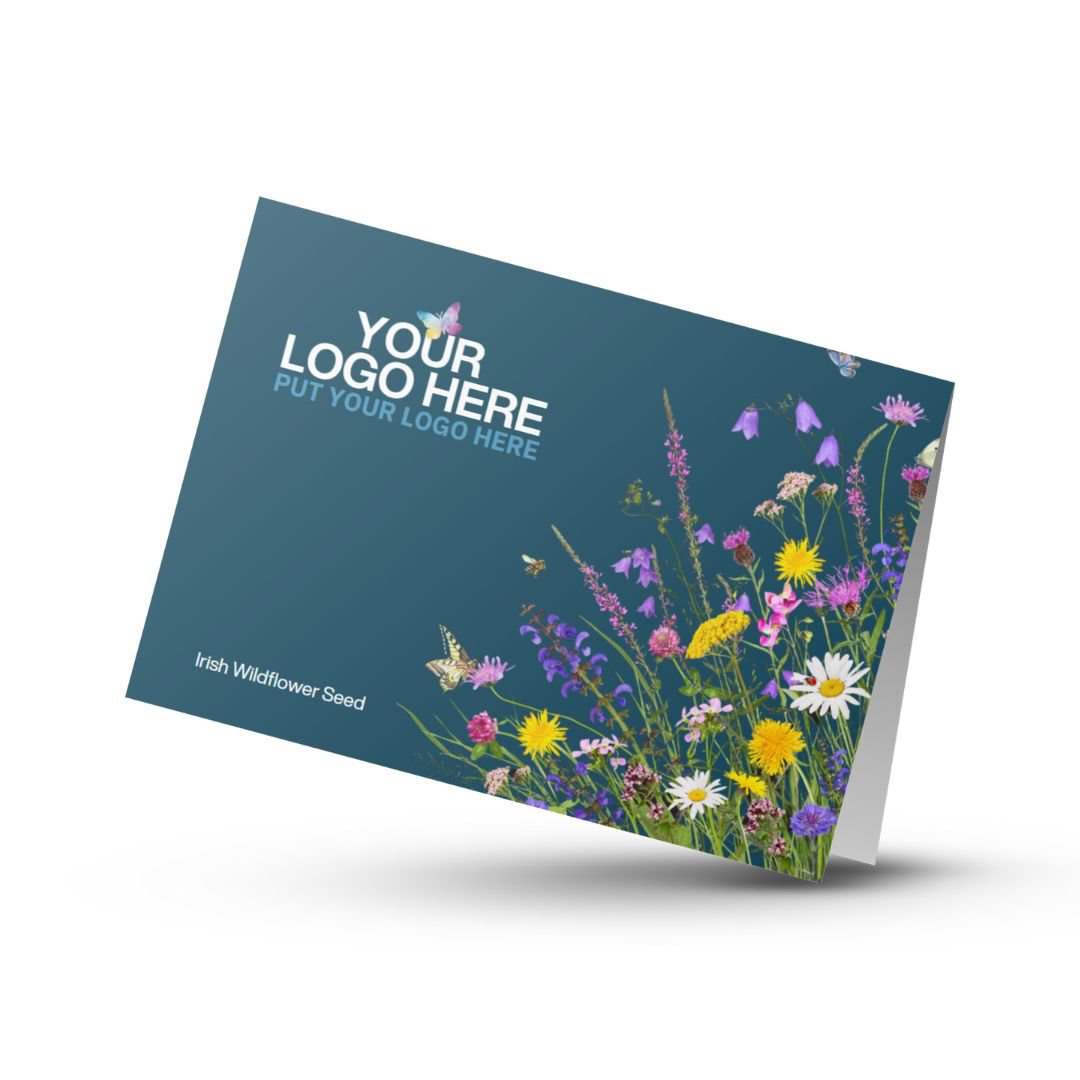
Make your business stand out from the crowd with custom-designed seed gifts.
Wildflowers represent a positve future, one of sustainability and wellbeing.

We dispatch all orders within 24 hours of being ordered on weekdays.
An Post deliver within 3-5 days and DPD generally deliver the following day.
If you order a pre-order item, your entire order will be sent out when the pre-ordered item is in stock.
