Fresh Irish Yellow Rattle Seed – Available Now
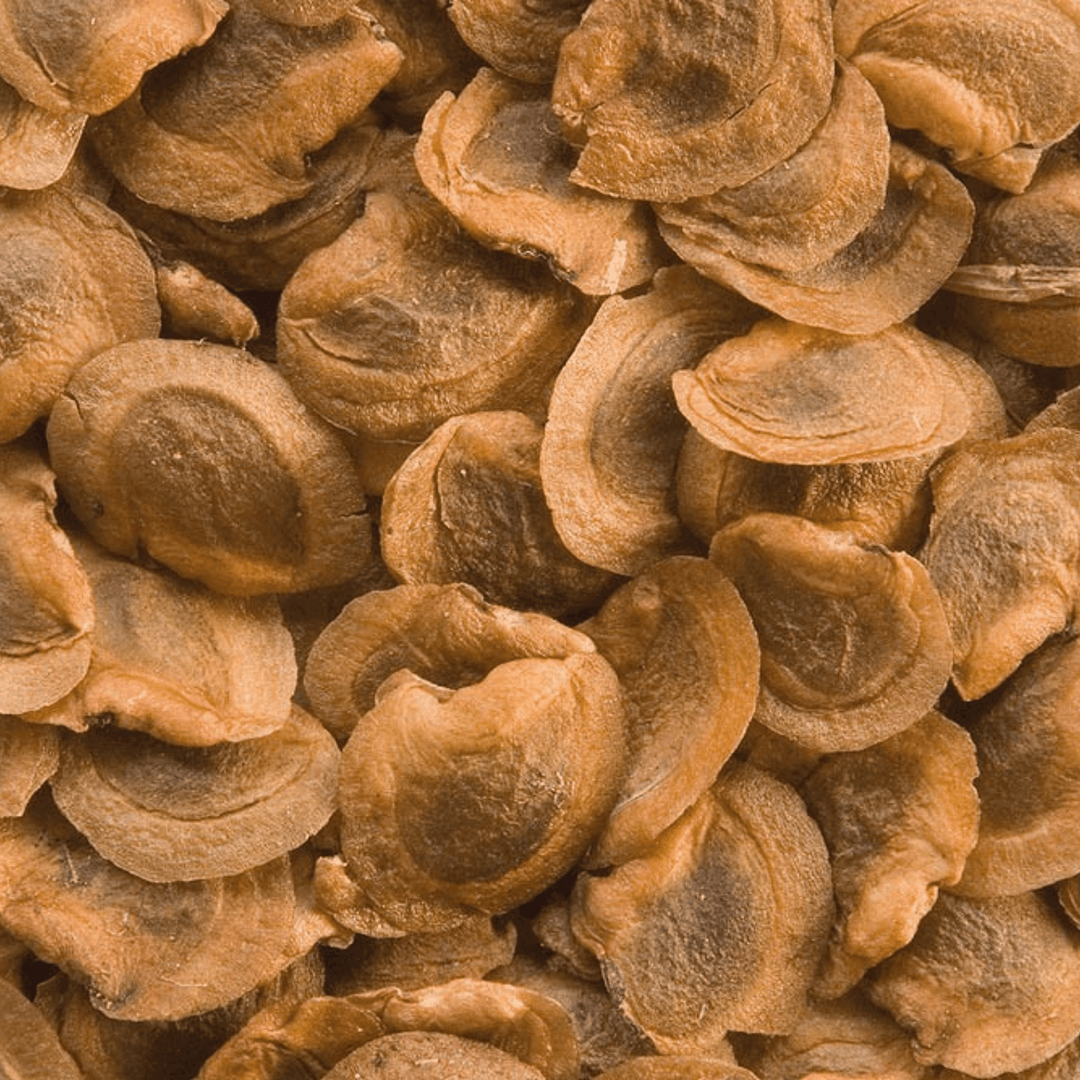
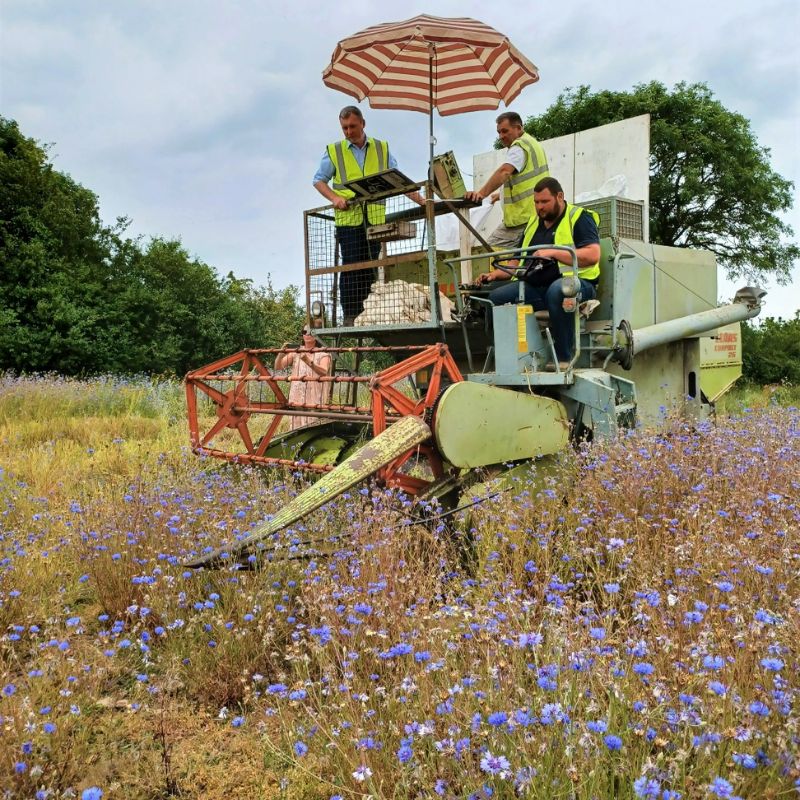
Fresh Yellow Rattle seed from the 2026 harvest is available now.
Yellow Rattle should be sown fresh in autumn, so we do not carry seed over from the previous season.
Why sow Yellow Rattle?
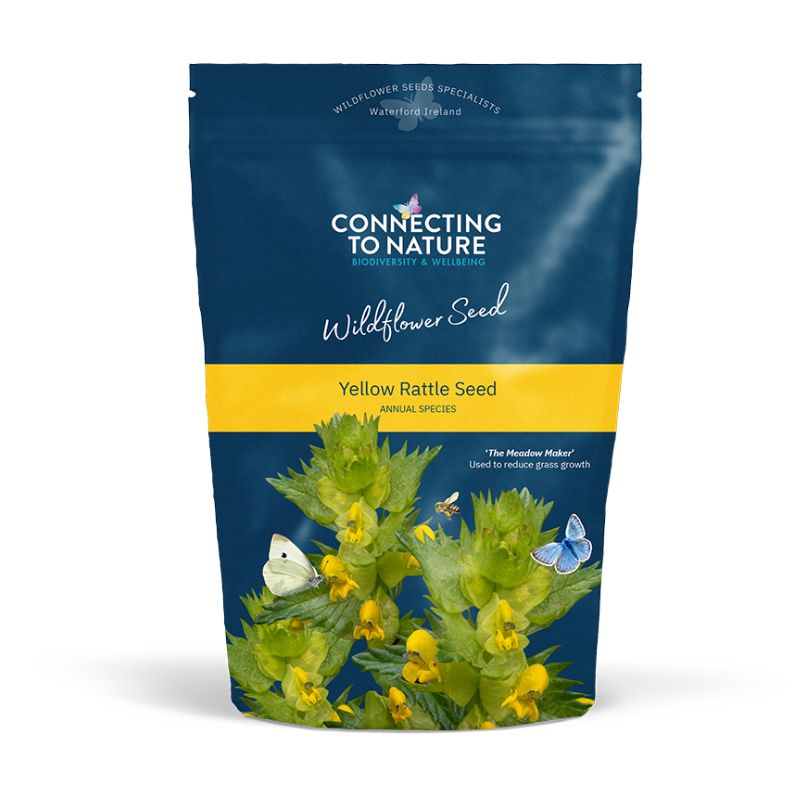
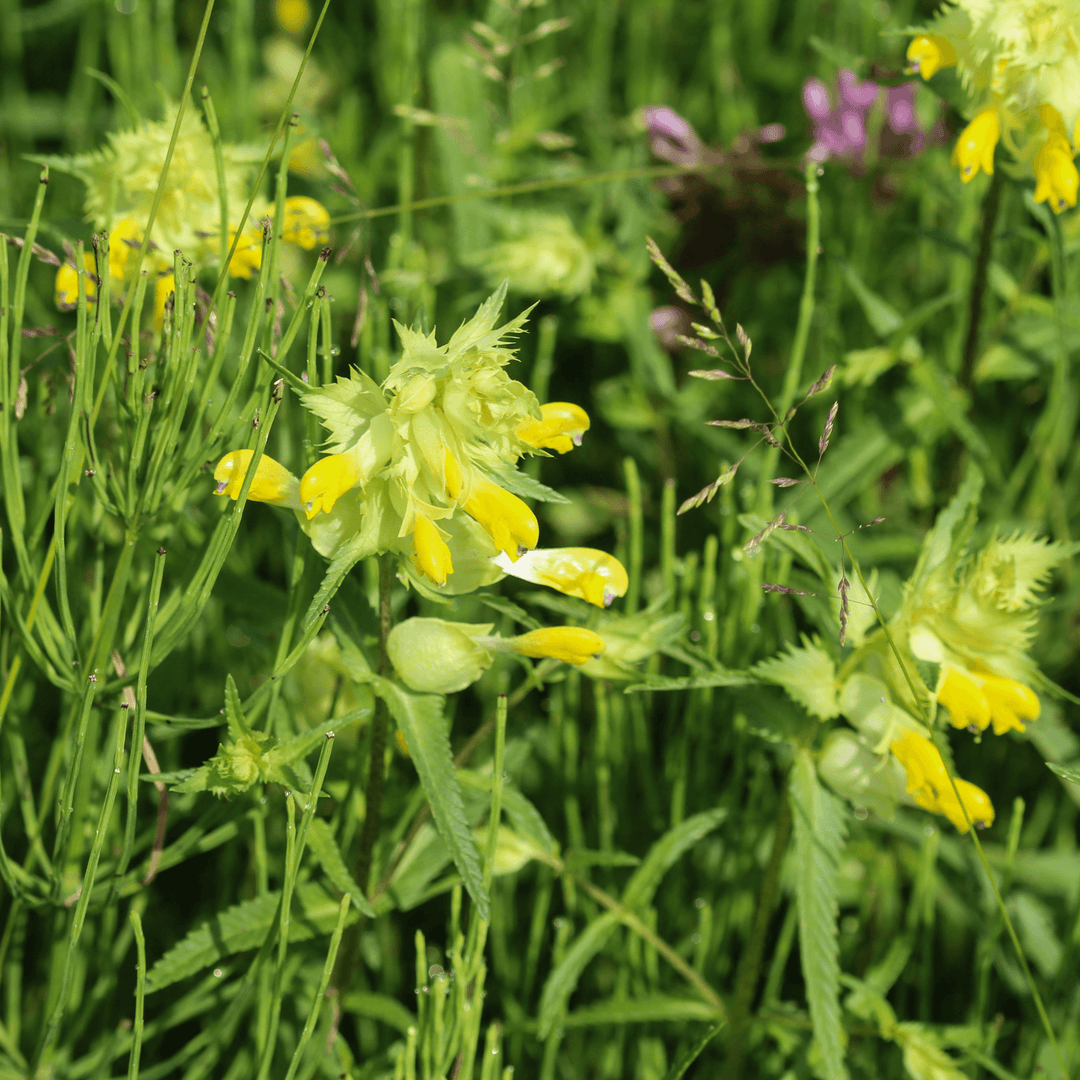
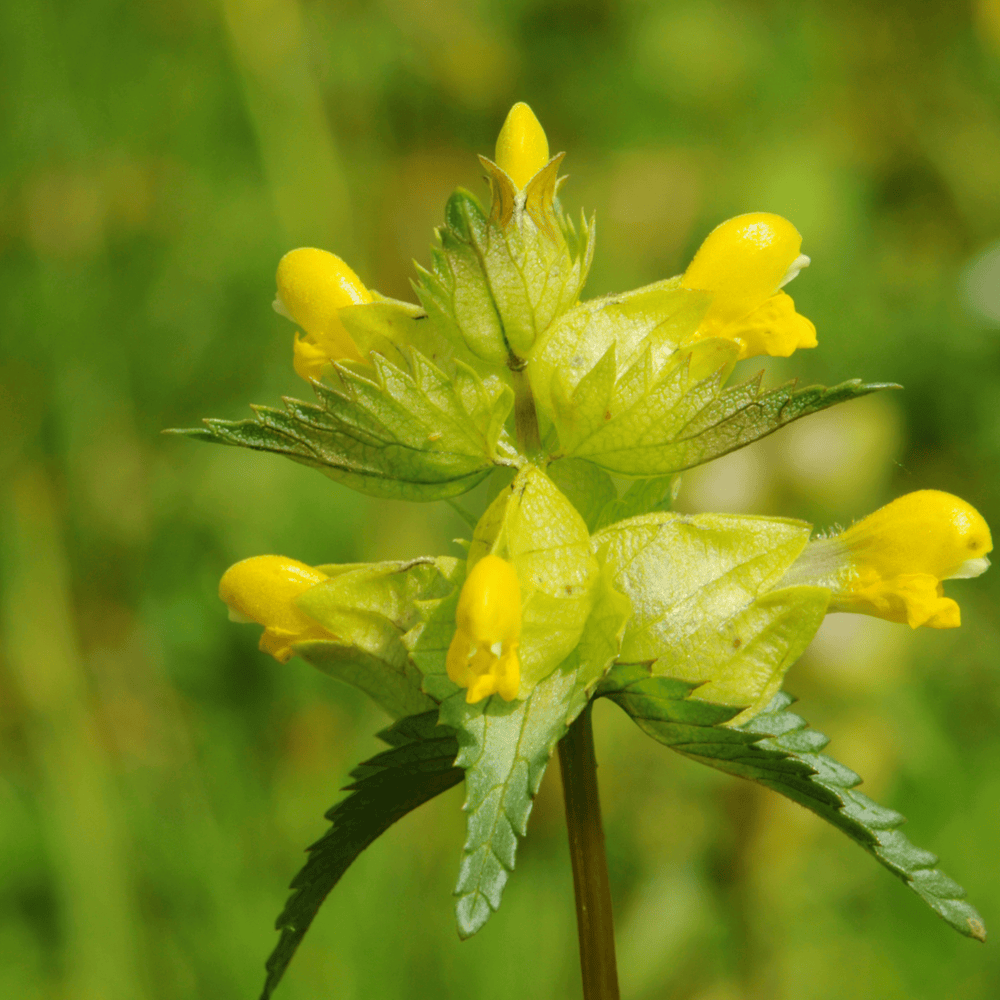
Often called the “meadow maker”, Yellow Rattle is one of the most useful native wildflowers for creating and maintaining a flower-rich meadow.
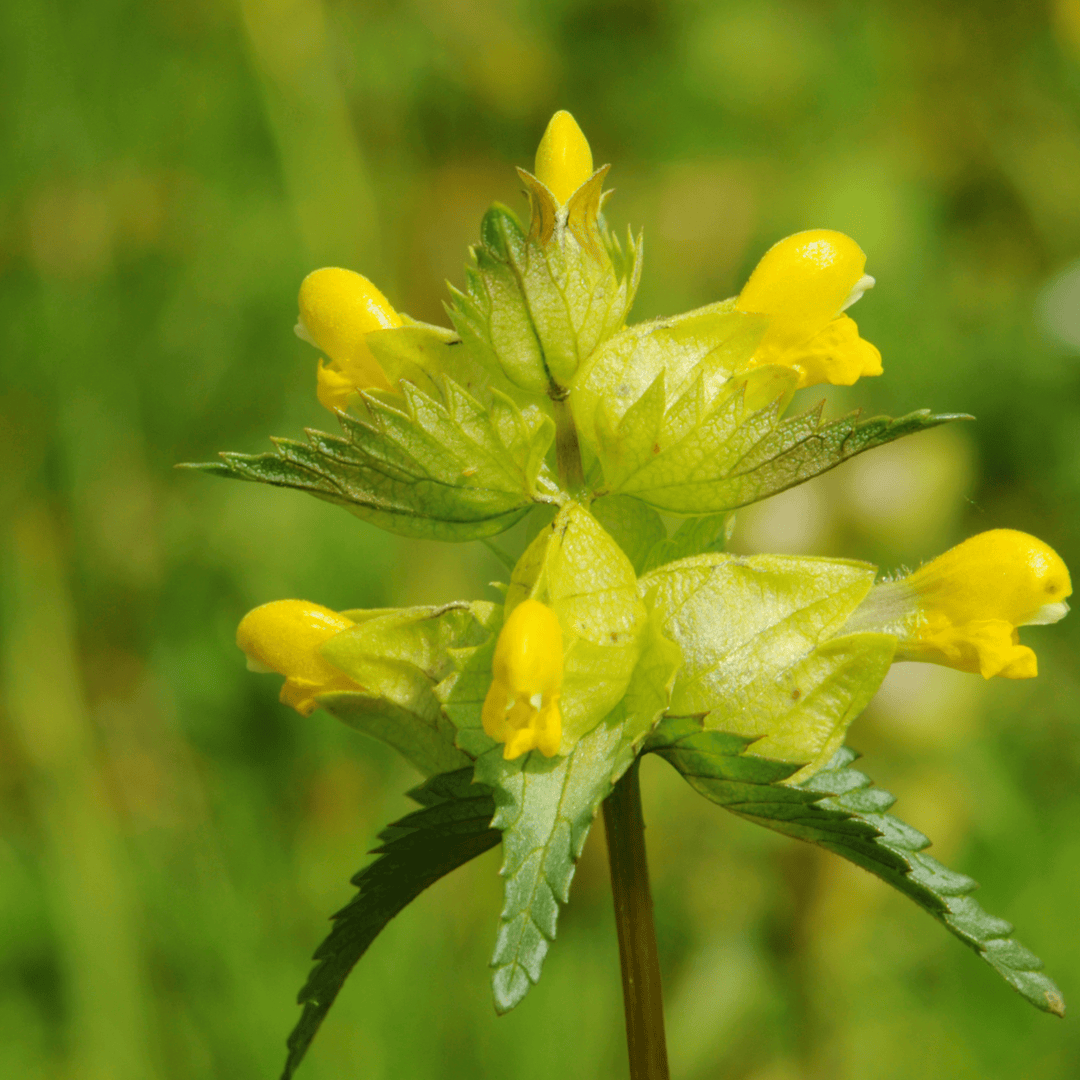
Yellow Rattle is an annual hemiparasitic wildflower. As it develops, it attaches to the roots of nearby host plants, particularly grasses, and draws some of its water and nutrients from them.
This weakens vigorous grass growth, reducing competition and creating more light and space for other wildflowers to establish.
Yellow Rattle does not eliminate grass, and it is not a substitute for good meadow management. Instead, it helps create a better balance between grasses and flowering plants over time.
Where can Yellow Rattle be sown?
Yellow Rattle is suitable for:
- Existing lawns being converted into wildflower meadows
- Established meadows where vigorous grass is becoming dominant
- Grassy areas where you want to encourage greater wildflower diversity
It is best introduced into an area where grasses or other suitable host plants are already growing.
It should not be grown as a standalone crop on completely bare ground without host plants nearby.
When should Yellow Rattle be sown?
Yellow Rattle should be sown fresh in autumn, ideally from August to November.
The seed needs an extended period of natural winter cold and moisture before it can germinate in spring. This process is known as cold stratification.
For the best chance of successful establishment, sow the seed during the autumn in which it is received rather than storing it for the following year.
How to prepare the area
Good ground preparation is essential.
Before sowing:
- Cut the grass as short as possible, ideally to approximately 3–5cm.
- Remove all grass cuttings.
- Rake or scarify the area firmly to remove thatch.
- Expose patches of bare soil throughout the area.
Yellow Rattle needs access to light and good seed-to-soil contact. Simply scattering seed over long grass or a thick layer of thatch is unlikely to give good results.
How to sow Yellow Rattle
Sow small pinches of seed onto the exposed soil at intervals throughout the meadow.
This helps create small clusters of Yellow Rattle during the first year, rather than spreading the seed too thinly across the entire area.
Press or tread the seed firmly onto the soil surface after sowing. Do not bury it deeply or cover it with compost.
The main aim in year one is to establish healthy pockets of Yellow Rattle successfully.
Once those plants have flowered and shed seed, they can begin spreading naturally through the meadow. From the second year onwards, a stronger Yellow Rattle population may begin to have a more noticeable effect on surrounding grass growth.
How much Yellow Rattle seed do I need?
Recommended sowing rate: 0.5g–1.5g per square metre
As a general guide:
-
0.5g per m²: Light introduction into suitable, well-prepared grassland
-
1g per m²: Standard sowing rate
-
Up to 1.5g per m²: Dense or particularly competitive grass
Using a higher sowing rate cannot compensate for poor ground preparation. Cutting, removing thatch and exposing soil are essential for successful establishment.
Managing Yellow Rattle after establishment
Yellow Rattle is an annual wildflower, which means each plant completes its lifecycle within one growing season.
To return the following year, it must be allowed to:
- Flower
- Develop mature seed pods
- Shed its seed onto the ground
Do not carry out the main meadow cut before the seed pods have ripened.
Once the Yellow Rattle and other meadow flowers have set seed, cut the area to approximately 5–7cm. Leave the cut vegetation briefly in dry weather to allow remaining seed to fall, then remove all cuttings.
What to expect
Yellow Rattle does not always establish evenly in its first year.
It may appear in scattered clusters, and its distribution can change as it spreads naturally through the meadow.
The first year should be viewed primarily as an establishment year. Its effect on vigorous grass growth is likely to become more noticeable as the population develops over subsequent seasons.
Results will vary depending on ground preparation, weather, soil conditions, access to light, host plants and ongoing meadow management.
Product specifications
-
Species: Yellow Rattle
-
Botanical name: Rhinanthus minor
-
Lifecycle: Annual
-
Plant type: Hemiparasitic native wildflower
-
Recommended sowing rate: 0.5g–1.5g per m²
-
Optimal sowing period: August to November
-
Germination: Spring, following winter cold
-
Flowering period: Late spring to summer
-
Light requirements: Requires good access to light
-
Site requirements: Best introduced into existing grassland or meadow
-
Species included: Irish Yellow Rattle only
-
Harvest: Fresh 2026 harvest
-
Expected dispatch: From September 2026 onwards
Further advice
Read our complete guide: How to Sow Yellow Rattle in an Existing Lawn or Meadow
Learn more: What Is Yellow Rattle and Why Is It Called the Meadow Maker?
Having difficulty with establishment? Read: Why Didn’t My Yellow Rattle Germinate?