


How to Prepare Ground for Wildflower Seeds | Seedbed Prep and First-Year Care

Natural Meadow Cycle
Good ground preparation is one of the most important steps when sowing wildflower seeds.
Wildflowers do not need rich soil, fertiliser or complicated care. In fact, many native wildflowers prefer poorer ground. But they do need one thing at the beginning: good contact with prepared, weed-free bare soil.
If wildflower seed is scattered into thick grass, weeds, moss or compacted ground, it will usually struggle to establish. Grass and weeds grow quickly and compete for light, water and space, while tiny wildflower seedlings need time to develop.
The better the seedbed, the better the chance of success.
Here’s how to prepare your ground before sowing wildflower seeds - and how to care for your wildflower area through its first year.
Why ground preparation matters
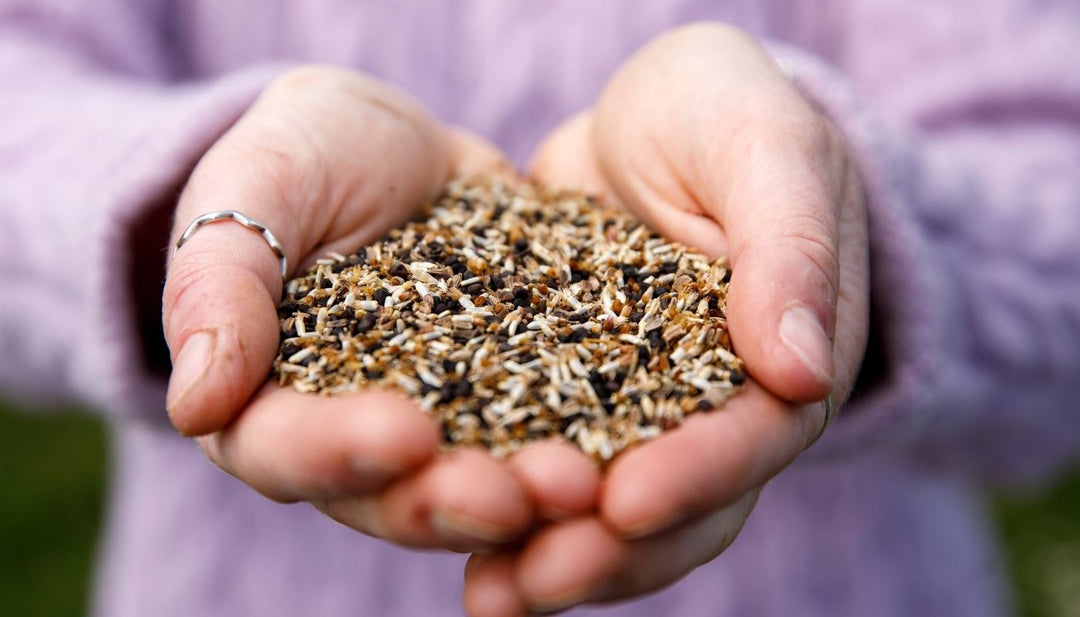
Wildflower seeds are often small and delicate. They need to settle onto the soil surface, receive enough light, and root into the ground as they germinate.
A good seedbed gives them the best possible start.
Poor preparation is one of the most common reasons wildflower seeds fail to grow. If you’ve tried sowing before and very little appeared, you may find our guide to why wildflower seeds don’t grow useful too.
The key things wildflower seeds need are:
- bare soil
- good seed-to-soil contact
- low competition from grass and weeds
- light
- moisture
- time
The aim is not to create a rich, heavily fed garden bed. The aim is to create a clean, open area where wildflowers can establish without being overwhelmed.
Step 1: Choose the right area
Most wildflowers do best in an open, sunny position. As a general rule, choose an area that gets at least half a day of sunlight during the growing season.
Avoid very shaded areas, heavily compacted ground, or places where water sits for long periods unless you are choosing a seed mix specifically suited to those conditions.
Before you sow, ask yourself:
- Is the area sunny enough?
- Is it currently grass, bare soil or a garden bed?
- Is the soil very fertile?
- Is the ground full of perennial weeds?
- Do I want quick colour or a longer-term meadow?
- Will I be able to cut and remove growth once a year?
If you are not sure what type of seed mix suits your space, read our guide to choosing a wildflower seed mixture before you sow.

Step 2: Remove grass and weeds
Wildflower seed should be sown onto bare soil where possible.
If the area is currently lawn or grass, do not simply scatter seed on top. Most of the seed will fail to reach the soil, and grass will outcompete young wildflower seedlings.
For best results, remove the grass first. You can do this by lifting turf, digging out the area, or cutting the grass very short and removing as much thatch and root material as possible.
If you are converting a larger grassy area, you may need a slower approach. In that case, reducing grass strength over time can help. Yellow rattle is often used in meadow areas because it helps weaken vigorous grasses and gives wildflowers a better chance of establishing.
If you are trying to work with an existing lawn, our guide to planting wildflower seeds in an existing lawn explains the options in more detail.
Also remove weeds before sowing, especially vigorous perennial weeds such as docks, thistles, nettles or creeping buttercup. If they are left in place, they can quickly dominate the area.
Step 3: Create a stale seedbed
A stale seedbed is one of the best ways to reduce weed competition before sowing wildflower seeds.
The idea is simple: prepare the ground as if you are ready to sow, then wait. This encourages weed seeds already in the soil to germinate. Once they appear, you remove them before sowing your wildflower seed.
This gives your wildflowers a cleaner start.
How to create a stale seedbed
- Prepare the soil by clearing grass, weeds, stones and debris.
- Rake the surface to create a fine, level seedbed.
- Leave the area for a few weeks.
- Allow weed seedlings to germinate.
- Remove the new weed growth by hoeing, hand weeding or shallow cultivation.
- Avoid digging deeply again, as this may bring more buried weed seeds to the surface.
- Then sow your wildflower seed.
This extra step takes a little patience, but it can make a big difference, especially in garden areas where weed seeds are already present in the soil.
For more detail, read our guide to preparing a stale seedbed for wildflowers.
Not sure what to sow?
For prepared bare soil, browse our wildflower seed mixes. For meadow areas or existing grass, yellow rattle can help reduce grass competition. For quick colour in beds and pots, choose an annual pollinator mix.

Annual Pollinator in full bloom
Step 4: Do not add compost or fertiliser
This is where wildflower gardening can feel different from ordinary gardening.
For many garden plants, we improve the soil by adding compost, manure or fertiliser. For wildflowers, that is usually not what we want.
Rich soil encourages grass, nettles and vigorous weeds. These plants grow quickly and can smother slower-growing wildflowers.
For most wildflower areas, avoid adding:
- compost
- manure
- fertiliser
- rich topsoil
- lawn feed
If your soil is already fertile, you can reduce fertility slowly over time by cutting and removing growth rather than leaving it to rot back into the ground.
The goal is to keep nutrients lower so that wildflowers and finer grasses have a better chance to compete.
Step 5: Rake to a fine, firm seedbed
Once the area is cleared, rake the soil to create a fine, crumbly surface.
You do not need perfect soil, but you do want to avoid large clumps, deep holes, heavy compaction or thick debris. Tiny wildflower seeds need to settle evenly onto the surface.
A good seedbed should be:
- clear of grass and weeds
- reasonably level
- firm underfoot
- lightly raked
- fine enough for seed to make contact with the soil
If the soil is very loose after digging, firm it down before sowing. You can do this by walking over the area or gently pressing it with the back of a rake.
This helps prevent seed from being buried too deeply or washed into uneven dips.
Step 6: Sow thinly and evenly
Wildflower seed should be sown thinly. It can be tempting to sow more seed than recommended, but too much seed creates overcrowding and competition between seedlings.
Follow the sowing rate on your seed packet or product page.
For very small seed, it can help to mix the seed with dry sand before sowing. This makes it easier to spread evenly and helps you see where you have already sown.
Sow half the seed while walking in one direction, then sow the other half while walking across the area in the opposite direction. This helps give more even coverage.
If you need a refresher on timing and sowing technique, our guide to when and how to sow wildflower seeds is a useful next read.
Step 7: Press the seed into the soil
After sowing, do not bury the seed deeply.
Many wildflower seeds need light to germinate. If they are covered with a heavy layer of soil or compost, they may fail to grow.
Instead, press the seed gently into the surface. You can do this by:
- walking over the area
- using a roller
- pressing with the back of a rake
- gently firming small areas by hand
The goal is good seed-to-soil contact, not deep burial.
Think: seed on the surface, pressed into place, with access to light.
Step 8: Water small areas if conditions are dry
For larger meadow areas, watering may not be practical. But for small garden beds, pots, mini meadows or freshly prepared patches, watering can help during dry weather.
After sowing, the soil should stay lightly moist while seeds begin to germinate. Avoid blasting the area with a strong hose, as this can wash seed away. Use a gentle rose on a watering can or a soft spray setting.
If rain is forecast, nature may do the work for you.
Spring sowings can be more vulnerable to dry spells, while autumn sowings often benefit from naturally moist soil.
What to expect after sowing
Wildflower areas do not all look the same in the first few weeks.
Some annual mixes can germinate quickly and produce flowers in the first season. Perennial meadow mixes often take longer. In the first year, many perennial wildflowers focus on developing roots and leaves rather than flowers.
This is normal.
You may see:
- tiny seedlings
- bare patches
- some weeds
- uneven growth
- leaves but few flowers
- more grass than expected
- modest results in year one
A first-year meadow is not always dramatic. It is often the beginning of a longer process.
If you are unsure what to expect from your mix, our guide to when wildflowers will bloom explains why some wildflowers appear quickly while others take more time.
First-year care: what to do about weeds
Some weeds are normal. The key is to stop vigorous weeds from taking over while avoiding unnecessary disturbance to young wildflower seedlings.
If you see large weeds such as docks, thistles or nettles, remove them by hand where possible.
For annual weeds, you can cut the area high before they set seed. This can reduce weed pressure without damaging lower-growing wildflower seedlings too severely.
Try not to panic or over-weed too early. Young wildflower seedlings can be small and easy to mistake for weeds.
If in doubt, let the area develop a little before making major decisions.
First-year care: when to cut
How and when you cut depends on what you have sown.
Annual wildflower mixes
Annual mixes are usually grown for first-year colour. Let them flower and set seed where possible. At the end of the season, you can cut back and clear the area.
Some annuals may self-seed lightly, but for reliable colour you may need to resow the following year.
Perennial wildflower or meadow mixes
Perennial mixes are longer-term. In the first year, the aim is to help plants establish.
If growth becomes very weedy or lush, you can cut the area back to around 7–10cm and remove the cuttings. This helps prevent weeds or grass from shading out young seedlings.
In following years, meadow areas are usually cut once annually after flowering and seed has had time to drop. The cuttings should be removed to avoid adding nutrients back into the soil.
Existing grass or meadow areas
If you are managing an existing grassy area, cutting and removing growth is especially important. Over time, this helps reduce fertility and gives wildflowers a better chance.
Yellow rattle can also be useful where grass is too dominant.

Yellow Rattle in bloom
Why removing cuttings matters
Leaving cut grass and wildflower growth to rot back into the soil adds nutrients. That encourages grass and vigorous weeds.
Removing cuttings helps keep the soil leaner, which is better for wildflowers.
After cutting, allow the cut material to lie for a few days if you want seed to drop, then remove it from the area.
This simple routine can make a big difference to the long-term success of a wildflower meadow.
Common mistakes to avoid
-
Scattering seed into thick grass
This rarely works well. Wildflower seed needs contact with soil, and grass is too competitive. -
Adding compost or fertiliser
Rich soil encourages grass and weeds rather than wildflowers. -
Burying the seed too deeply
Most wildflower seed should be surface sown and pressed into the soil. -
Sowing too much seed
More seed does not always mean more flowers. It can cause overcrowding. -
Cutting too soon
Give wildflowers time to establish, flower and set seed where possible. -
Leaving cuttings in place
Remove cuttings to reduce nutrients and support long-term meadow development. -
Expecting instant results
Some wildflowers flower quickly. Others take time. A perennial meadow often improves over several years.
Preparing different types of spaces
Bare soil
This is the easiest starting point. Clear weeds, rake the soil, create a stale seedbed if possible, then sow and press the seed in.
Existing lawn
Grass needs to be removed, weakened or heavily scarified before sowing. For many lawns, yellow rattle may be helpful as part of a longer-term approach.
Garden borders
Remove weeds, avoid compost, and choose a seed mix that suits the level of fertility and competition in the bed. Annual mixes can work particularly well for quick seasonal colour.
Pots and containers
Use a suitable container with drainage. Sow thinly onto the surface and keep watered during dry spells. Annual and easy-growing pollinator mixes are often best for pots.
Larger meadows
Focus on long-term management. Choose the right seed mix, prepare the ground well, cut and remove growth, and be patient as the meadow develops.
What should you sow?
- The right seed depends on your space and what you want to achieve.
- For prepared bare soil, choose a wildflower seed mix suited to your site.
- For a longer-term meadow, choose a meadow mix and be ready to manage it each year.
- For existing grass, consider yellow rattle and proper lawn preparation before sowing wildflower seed.
- For quick colour, choose an annual or easy-growing pollinator mix.
- For small spaces, pots or garden edges, choose a mix suited to smaller areas.
- If you are unsure, start with the result you want: quick colour, long-term habitat, a lawn-style meadow, or a more natural meadow area. Then choose the seed mix that matches that goal.
Final thoughts
Wildflower seed is simple to sow, but good preparation matters.
You do not need to overcomplicate it. You do not need expensive inputs. You do not need rich soil or fertiliser.
You need a suitable site, prepared bare soil, low competition from grass and weeds, good seed-to-soil contact, and a little patience.
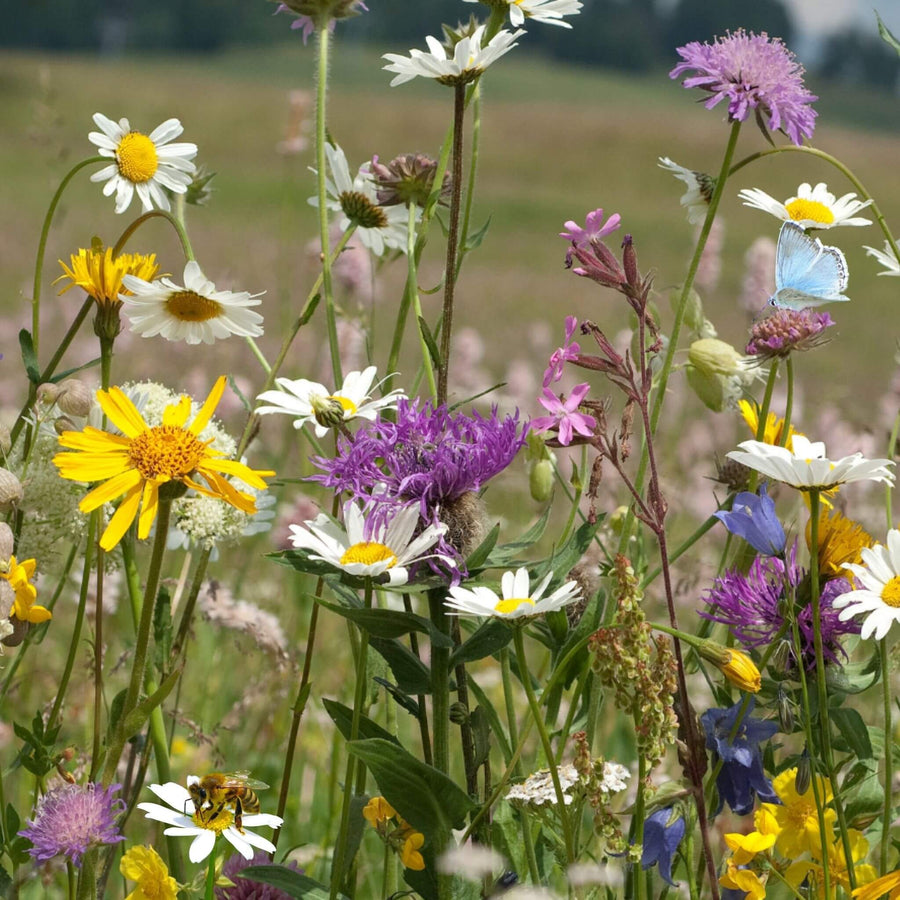
A well-prepared seedbed gives your wildflowers the best chance to establish. Good first-year care helps them settle in. Over time, with the right management, your wildflower area can become richer, more colourful and more valuable for pollinators and wildlife.
Ready to sow?
Explore our wildflower seed mixes, meadow seed mixes and yellow rattle seed to find the right option for your garden, lawn or larger landscape.
If you are starting from grass, take time to prepare the area properly before sowing. If you are starting from bare soil, a little extra seedbed preparation now can make all the difference later.