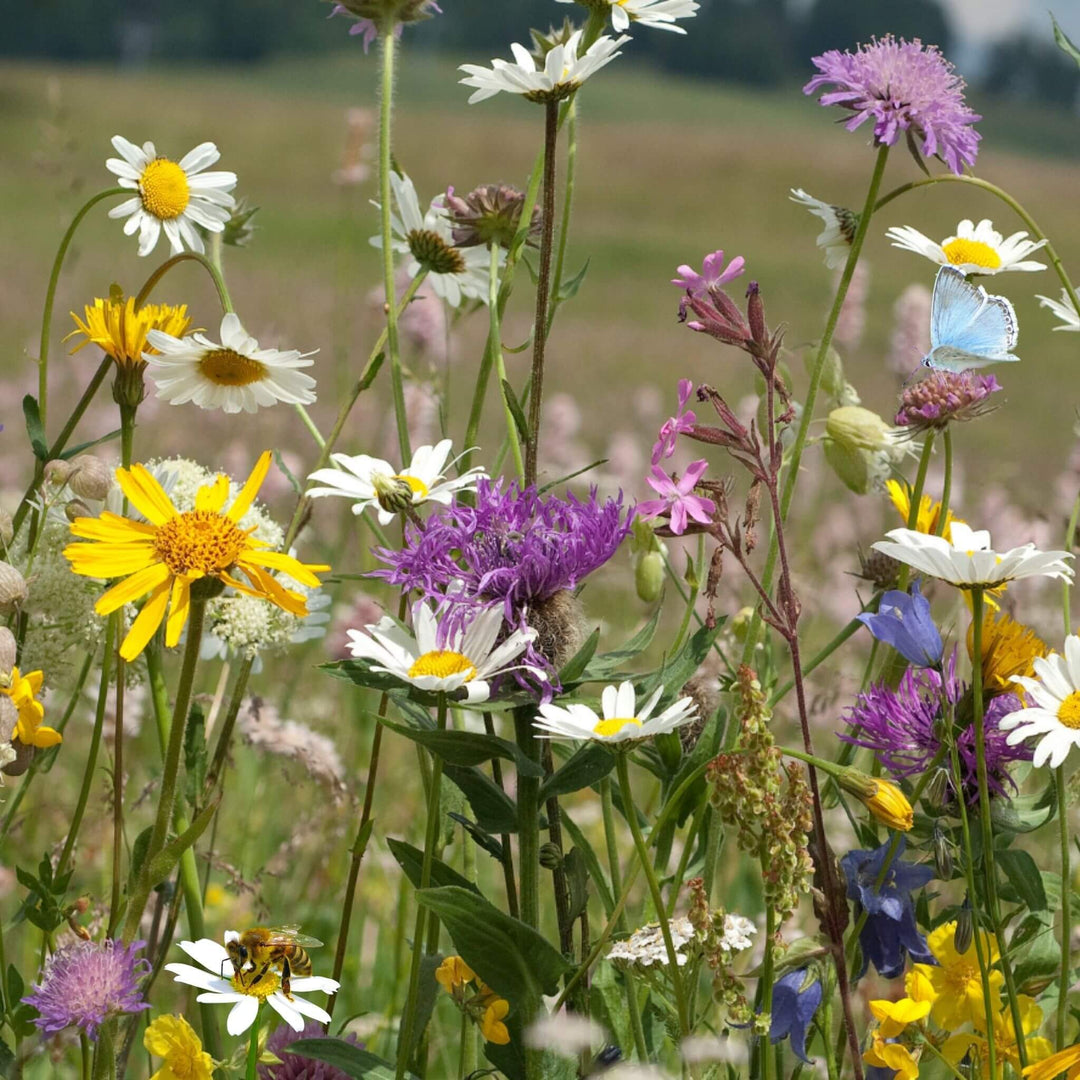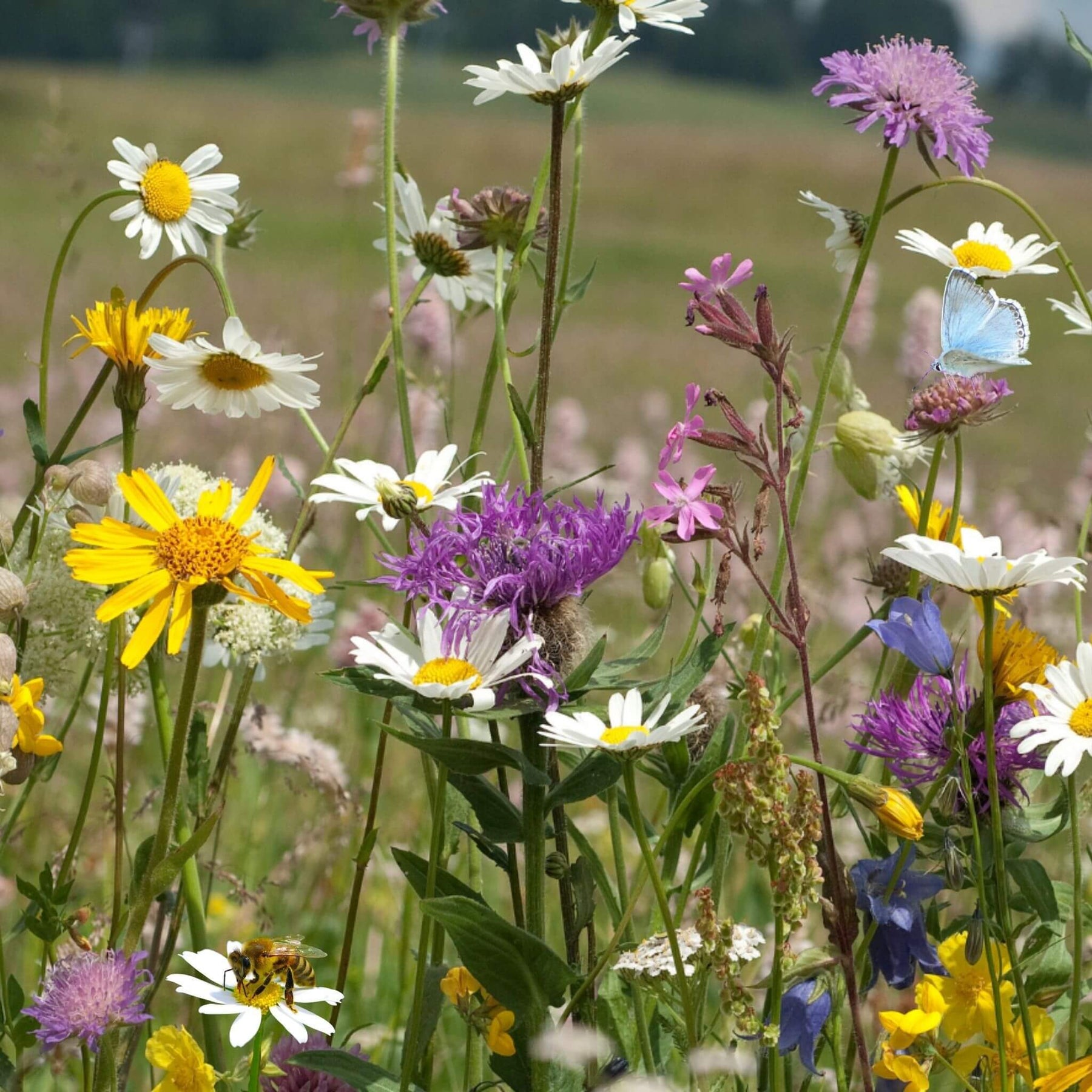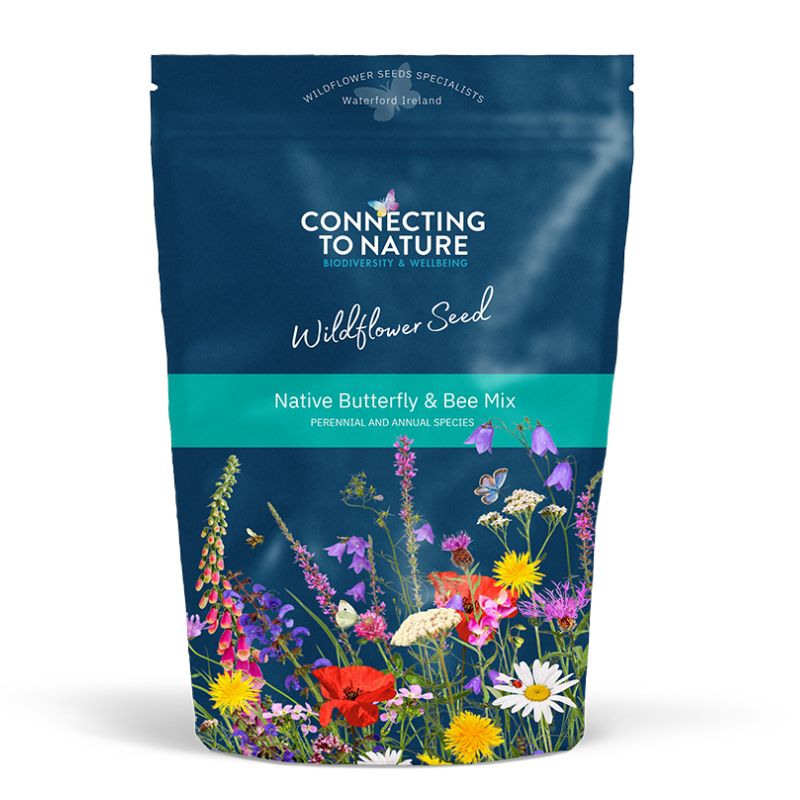

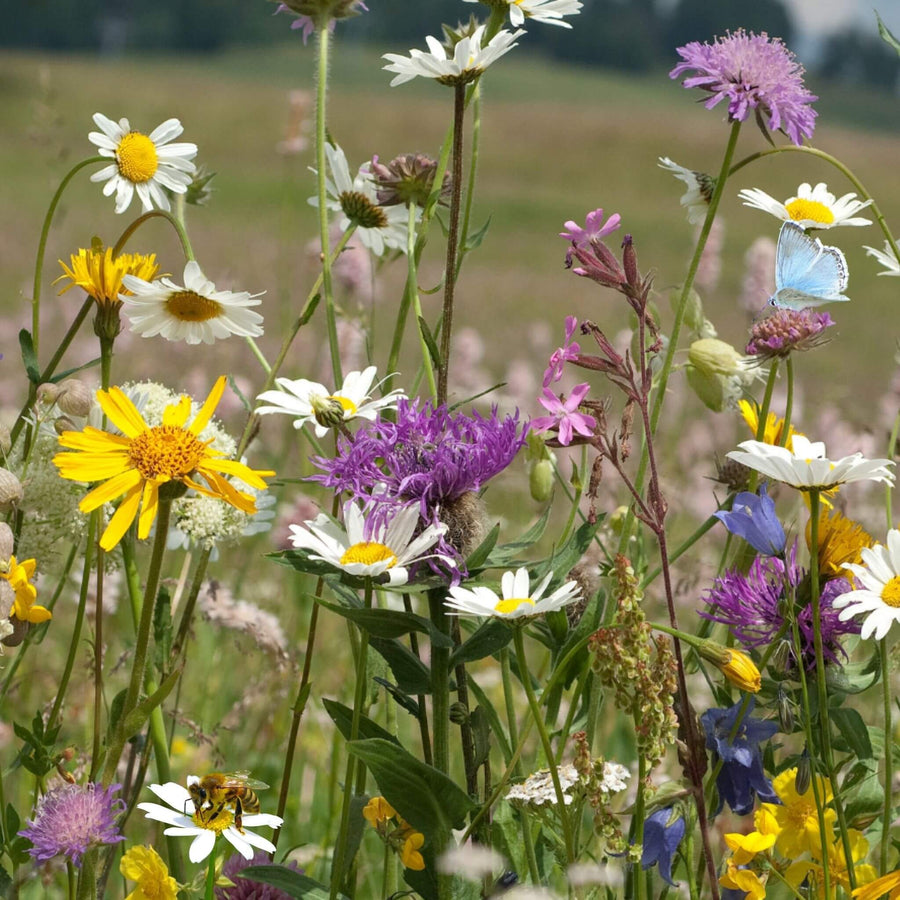
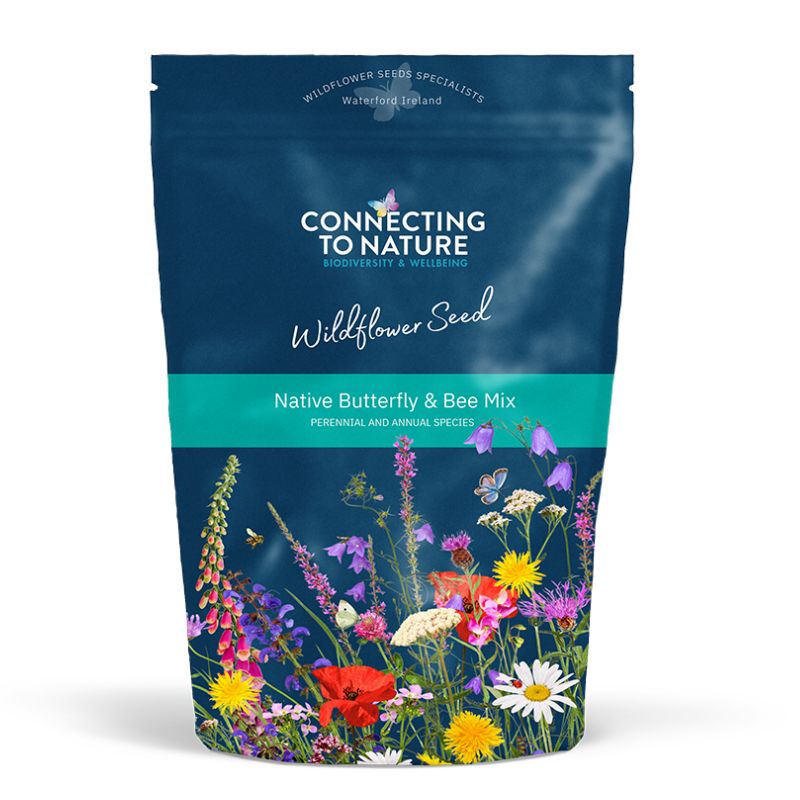
Create a colourful, pollinator-friendly wildflower area with our Butterfly & Bee Native Wildflower Seed Mix.
This 100% wildflower seed mix contains native annual and perennial species chosen to support bees, butterflies, hoverflies and other beneficial insects.
With a blend of first-year colour and longer-term perennial wildflowers, it is ideal for prepared bare soil in gardens, borders, wildlife areas and mini meadow patches.
This mix contains wildflower seed only and no grass.
Best suited to prepared, weed-free bare soil in an open, sunny position.
Suitable for:
- garden beds and borders
- wildlife garden areas
- mini meadow patches
- larger prepared seedbeds
- sunny areas where you want to create a pollinaotor-friendly wildflower display
Not suitable for scattering directly into thick grass or established lawn. If you are working with grass, prepare the ground properly before sowing or consider whether yellow rattle is needed as part of your meadow establishment.
Not recommended for window boxes or small containers. For pots and window boxes, choose an annual wildflower or annual pollinator mix instead.
- Clear the area of grass and weeds before sowing.
- Rake the soil to create a fine, firm seedbed.
- Sow thinly and evenly at 1.5–3g per m².
- Press the seed into the soil rather than burying it.
- Keep small areas watered during dry weather until seedlings establish.
For best results, read our guide to preparing ground for wildflower seeds before you sow.
Sow from March to June or from August to October.
Spring sowing can give annual species the chance to flower in the first season, while autumn sowing can be helpful for longer-term perennial establishment.
Results will vary depending on weather, soil conditions and site preparation.
For more detailed advice, read our guide to when and how to sow wildflower seeds.
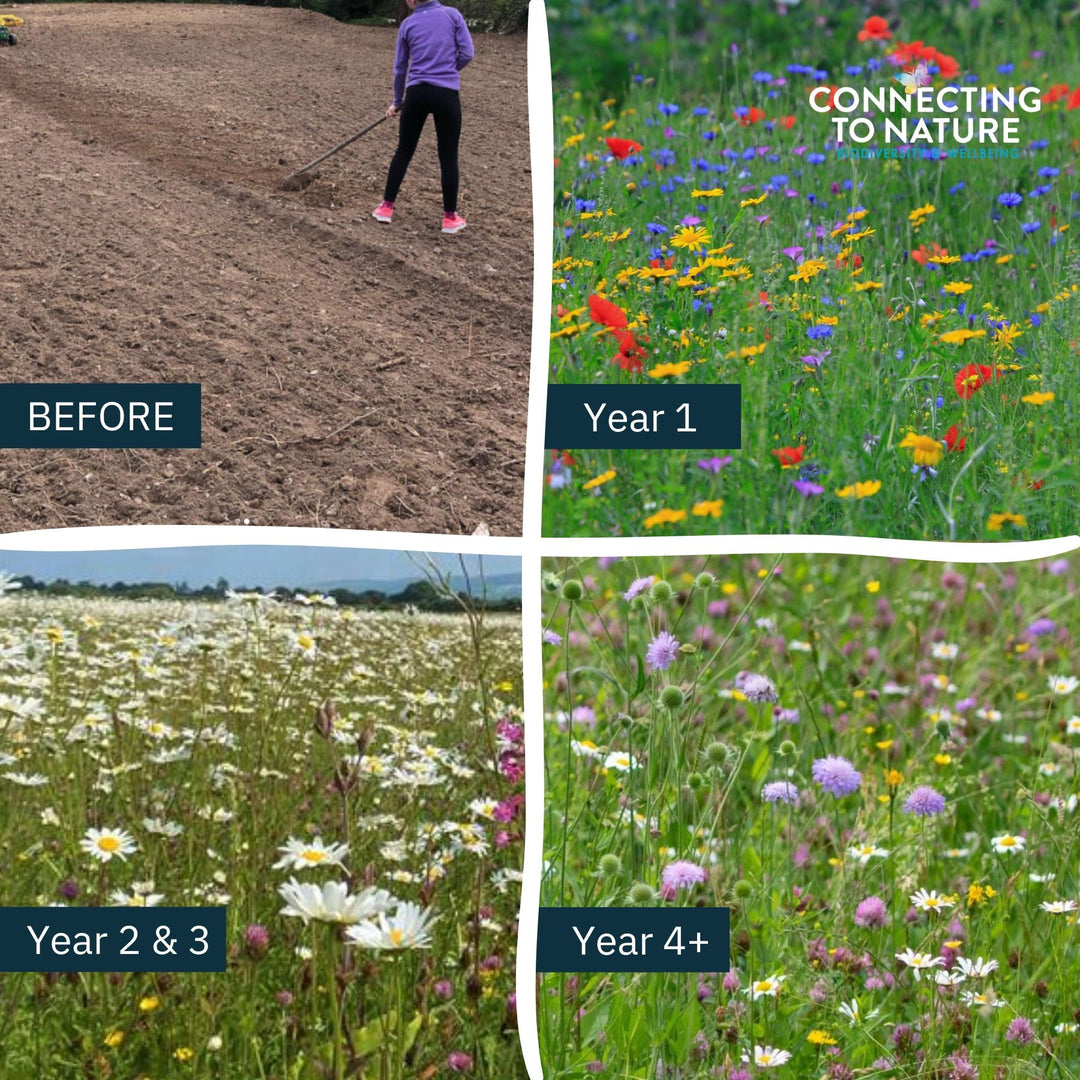
This mix contains both annual and perennial wildflowers.
The annual species can provide colour in the first growing season if conditions are suitable. The perennial species often spend their first year developing roots and leaves before flowering more strongly in year two and beyond.
A wildflower area develops over time. For best results, avoid fertiliser, reduce grass and weed competition, and remove cuttings after mowing.
If you’re wondering when you’ll see flowers, read our guide to when wildflowers will bloom.
Seed type: 100% wildflower seed
Grass included: No
Species type: Native wildflower species
Lifecycle: 25% annual / 75% perennial
Sowing rate: 1.5–3g per m²
Best sowing time: March–June / August–October
Flowering period: May–September
Light: Full sun / good access to light
Best for: Prepared bare soil, borders, wildlife areas and mini meadow patches
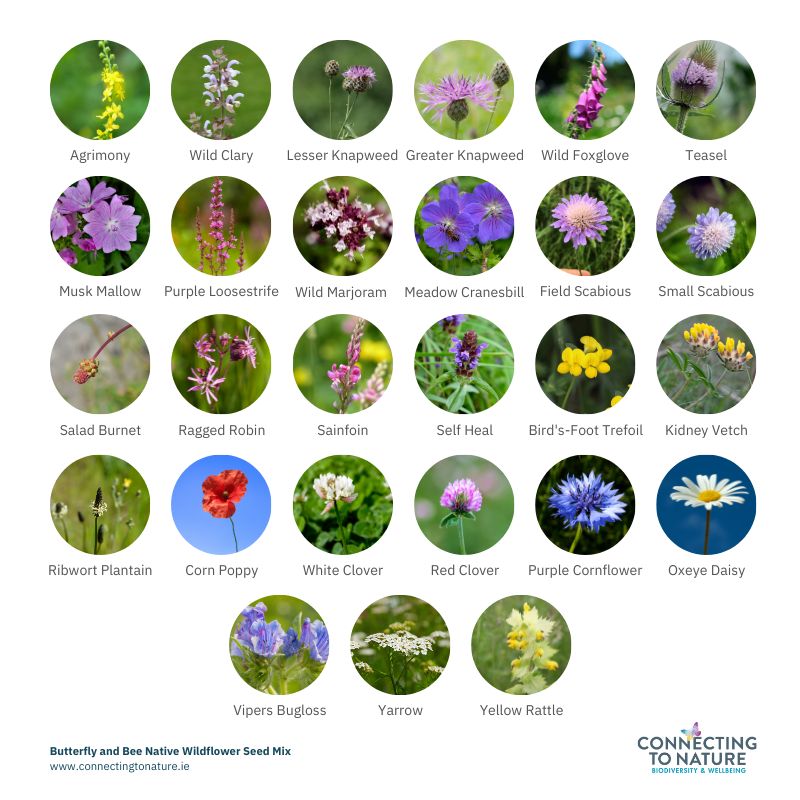
This mix includes a blend of native annual and perennial wildflower species selected for pollinator value and seasonal interest.
Species included:
- Corncockle
- Cornflower
- Corn Marigold
- Corn Poppy
- Field Scabious
- Knapweed
- Lady’s Bedstraw
- Meadow Buttercup
- Meadow Cranesbill
- Meadow Vetchling
- Musk Mallow
- Oxeye Daisy
- Red Campion
- Red Clover
- Ribwort Plantain
- Selfheal
- Tufted Vetch
- White Campion
- Wild Carrot
- Yarrow
- Yellow Rattle
In the first year, remove vigorous weeds by hand where possible and avoid cutting too low while seedlings establish.
If growth becomes very weedy or lush, cut high and remove the cuttings to reduce competition.
In future years, cut after flowering once seed has had time to drop. Leave the cut material for a few days if possible, then remove it from the area. This helps keep soil fertility lower and supports long-term wildflower establishment.
Do not feed or fertilise the area, as this encourages grass and weeds.
Before sowing, we recommend reading our guide to preparing ground for wildflower seeds.
You may also find these guides useful: